Wilson US Open Junior Tennis Racquet : Sports & Outdoors
$24.99 - $46.99


Share on:
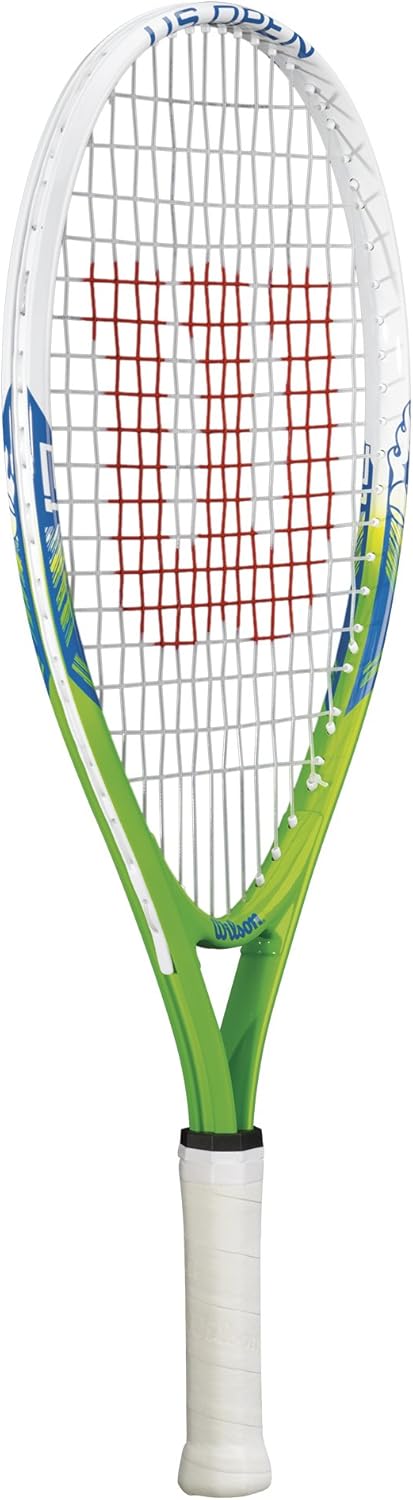
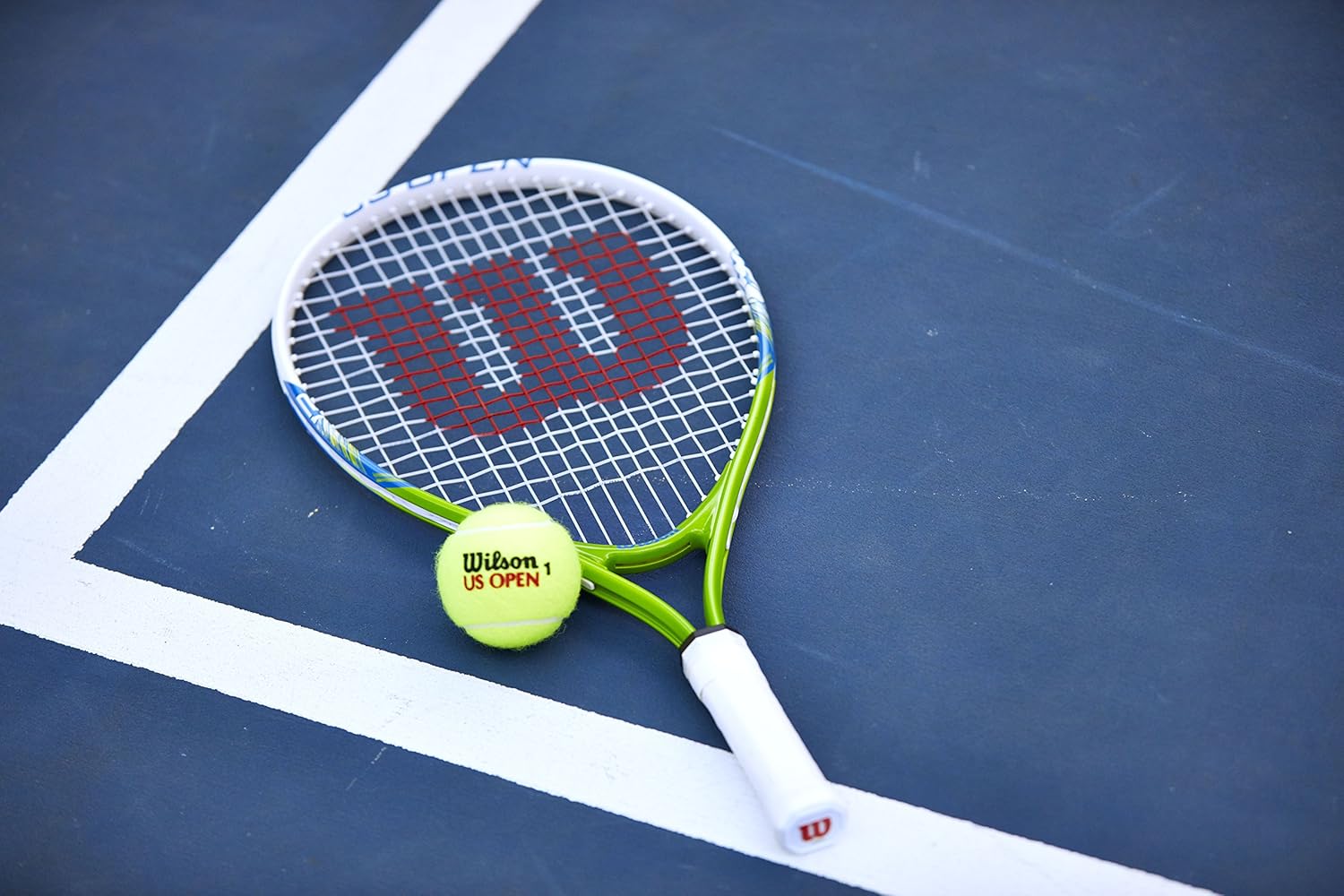
Featuring different sizes depending on age, size and skill level, the US Open Jr is an excellent option for any young junior player looking to get into the sport. Behind the heritage and support of the USTA, these rackets are used at many junior events. Lightweight frame with a high level of playability. A racket’s head size refers to the total surface area of the string bed and is measured in square inches or centimeters. The larger the head size, the more power and forgiveness the racket gives the player. Smaller head sizes afford players more precision and control with every shot. Generally speaking, professional players and advanced club players will stick to standard rackets (< 98 sq inches) because they can provide their own power and hit the sweet spot with consistency. Beginner players often start with oversized rackets (106+ sq inches) for extra forgiveness on off-center hits, while intermediate players frequently use midplus rackets (99-105 sq inches) that offer a nice blend of power and control. Weight greatly affects the performance characteristics of a tennis racket. A heavier racket brings more power and stability through the swing. Heavier rackets also absorb more shock than lighter rackets, which can give players better feel for the ball. This is ideal for players with long, fast strokes that prefer hitting flatter balls with pace and depth. Conversely, lighter rackets enhance maneuverability and provide easier access to spin. This is optimal for handling volleys around the net, spinning lobs into play, and generating better angles that dip inside the lines. In addition to racket performance, the weight of a racket significantly affects arm comfort. Playing with a racket that is too heavy can lead to poor form, arm discomfort and possible injuries down the line. When in doubt: you can always add weight to a racket, but rarely can you reduce it. Measured in points, a racket’s balance indicates the distribution of weight within a racket. This can be categorized in three ways: head light, even balance, or head heavy. Head-light (HL) rackets have more mass in the handle of the racket, head-heavy (HH) rackets have more mass in the hoop of the racket, and evenly balanced (EB) rackets have even mass distribution throughout. While head-light rackets are generally heavier, they also give users added maneuverability and more control over the head of the racket. Head-heavy rackets give lightweight rackets more power and stability, as the added weight in the head helps prevent the frame from moving or twisting during the swing. Lastly, even balance rackets tend to strike a happy medium between the maneuverability of head-light and stability of head-heavy frames. Wilson is the Official Ball of the US Open and partner of the USTA. The US Open 19 inch Junior Tennis Racket is approved for 10 and Under Tennis and is extremely lightweight and easy to swing.