

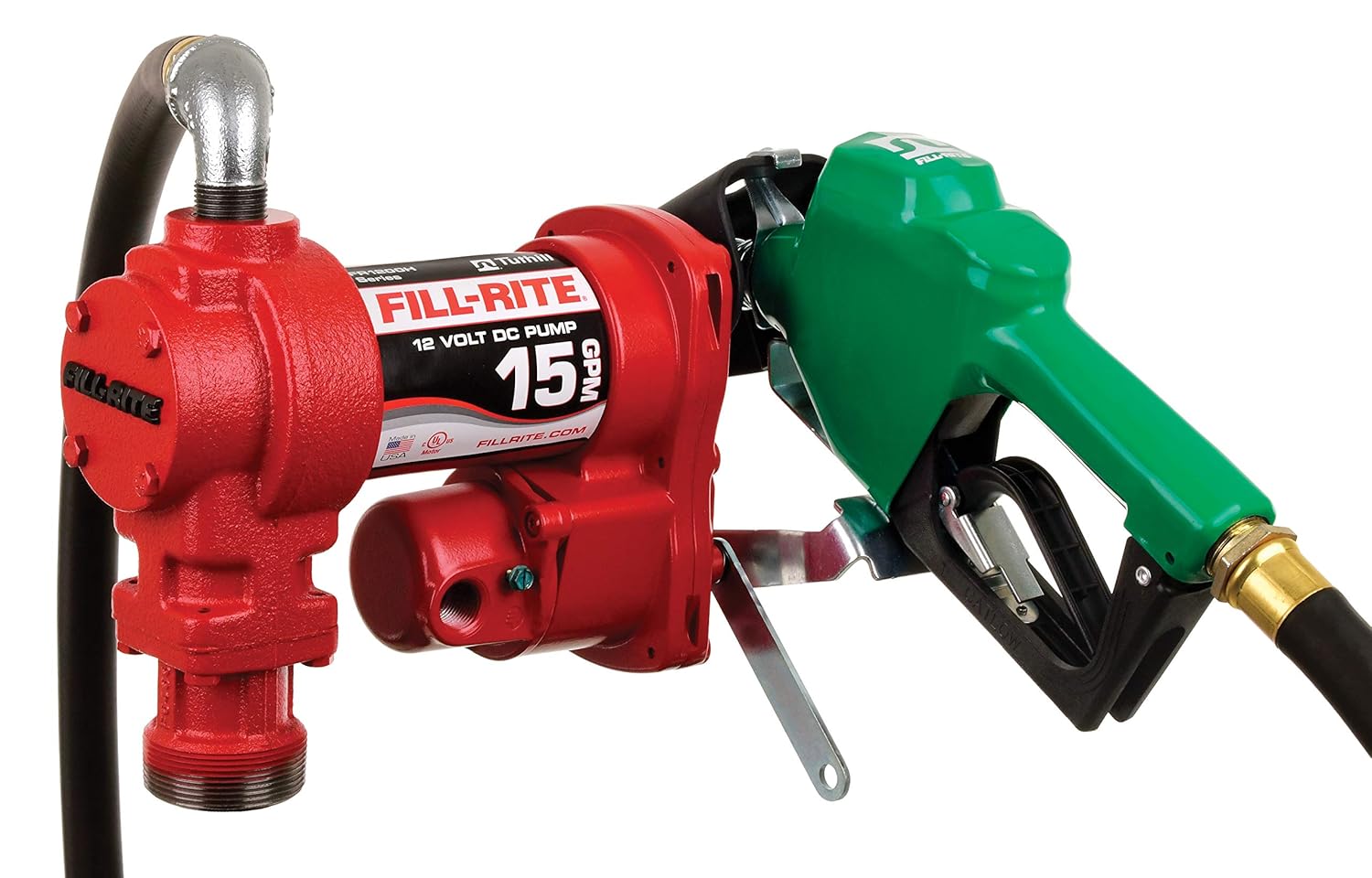
Fill-Rite FR1204H 12V 15 GPM Fuel Transfer Pump (Pump Only): Industrial & Scientific
- Category: Electric Fuel Pumps
- Store: Brand: Fill-Rite
Share on:
Description
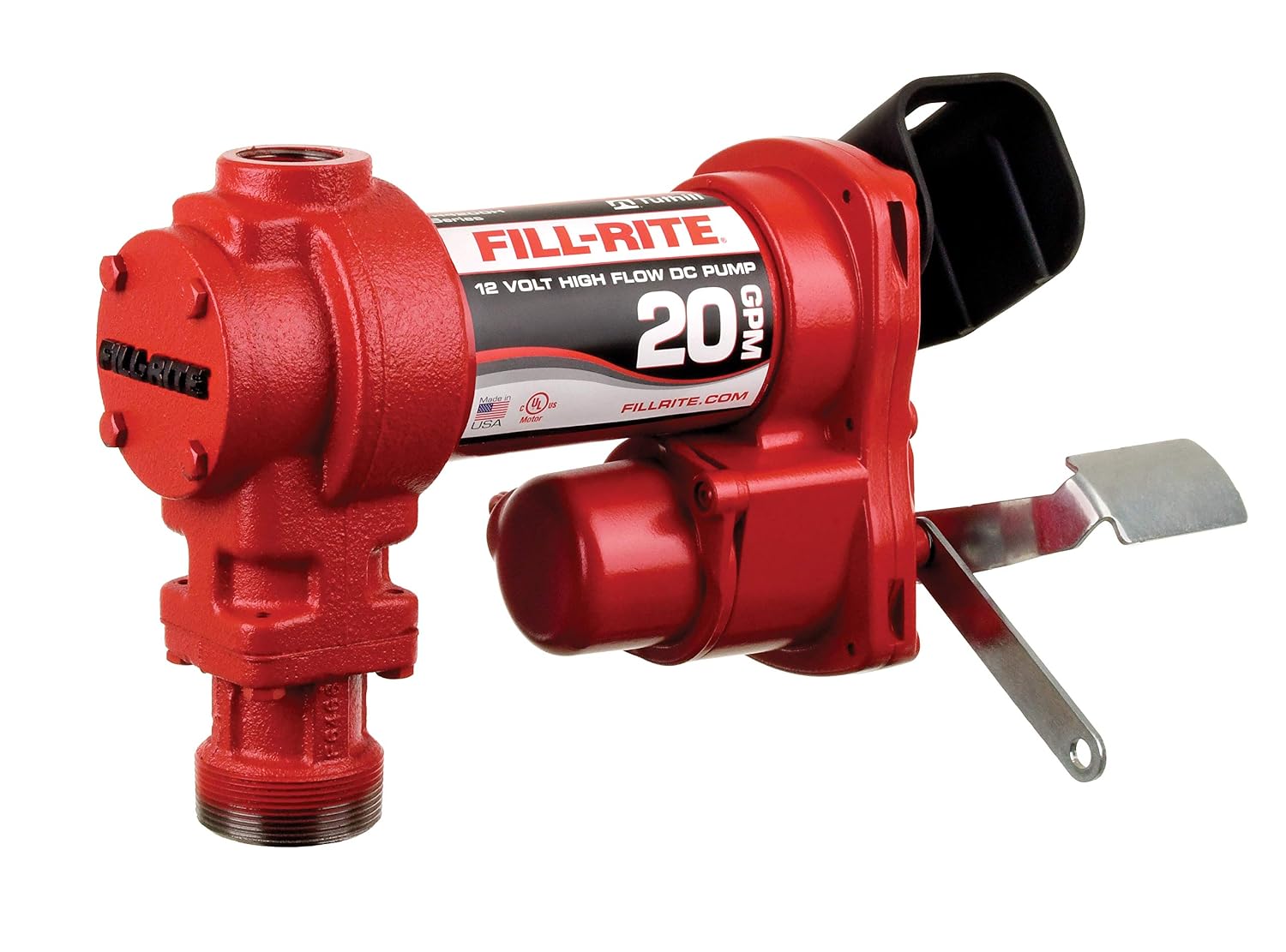
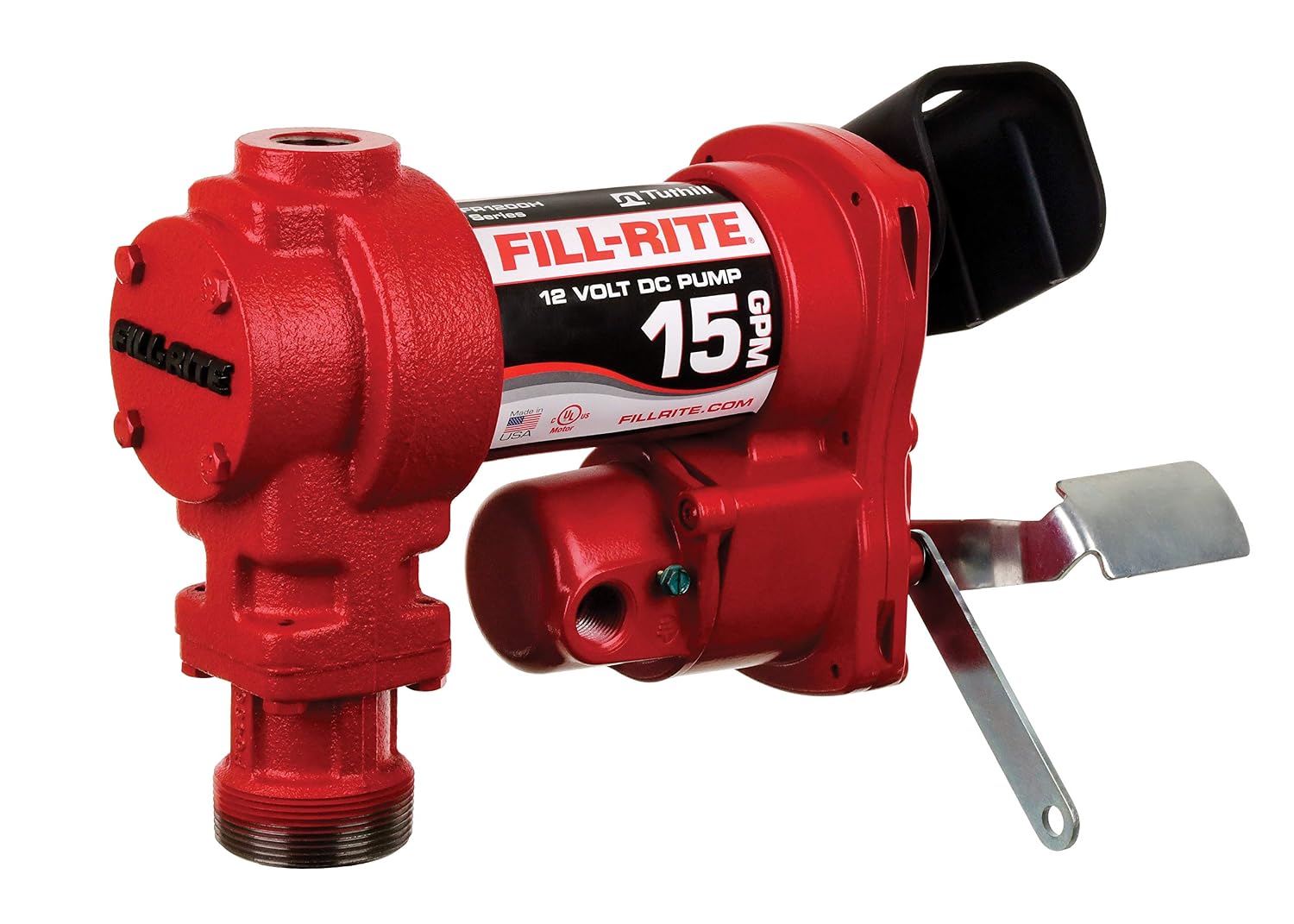
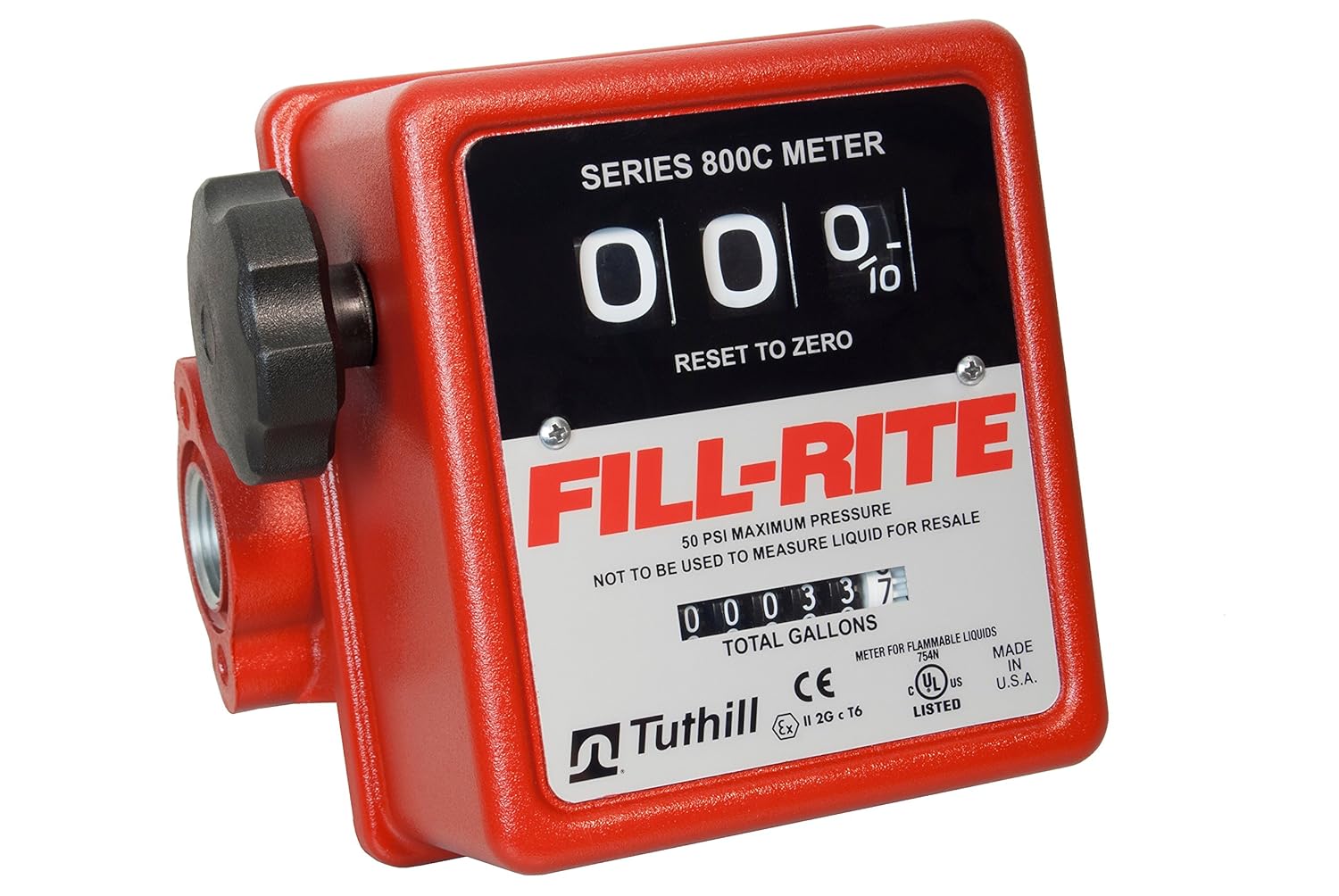
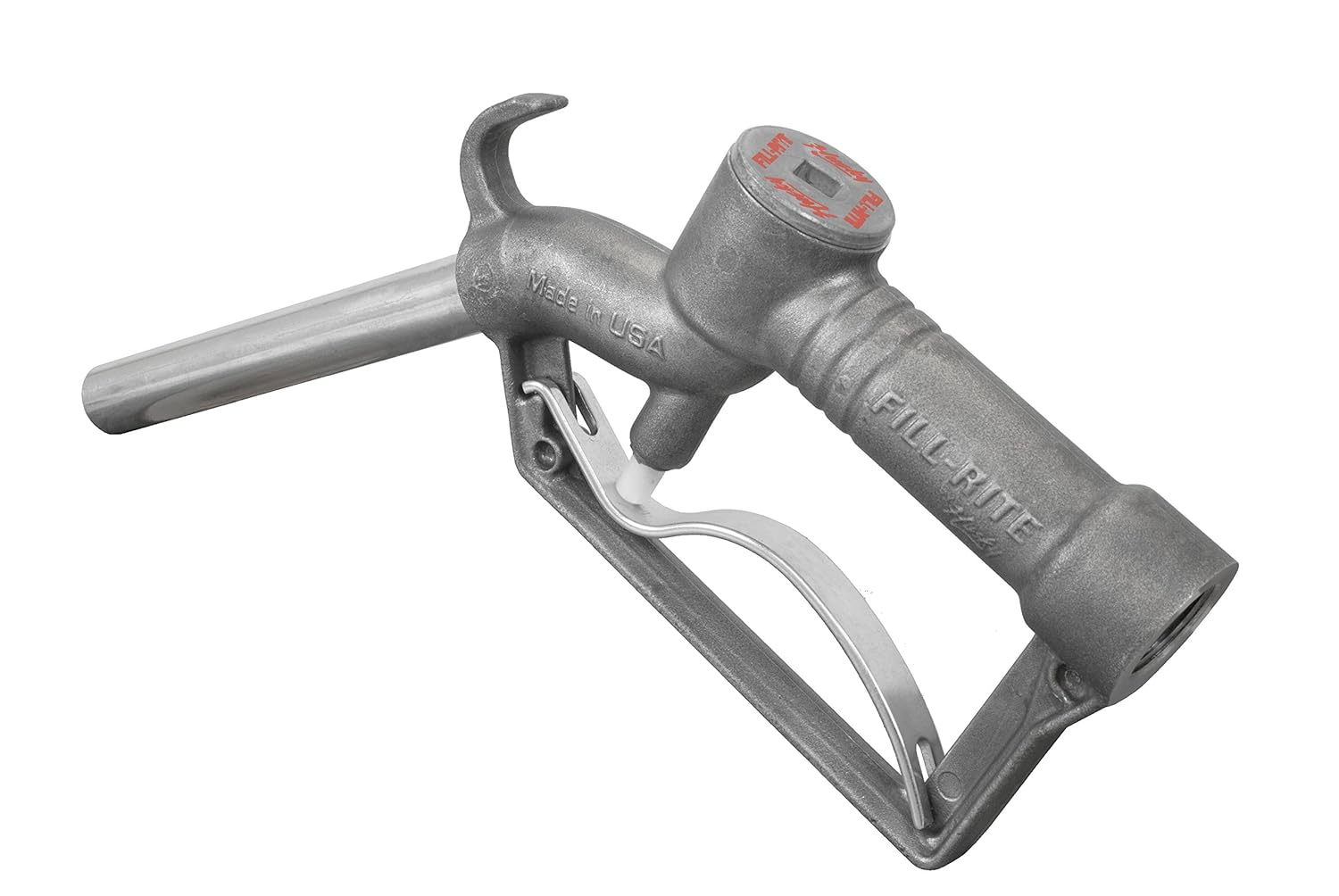
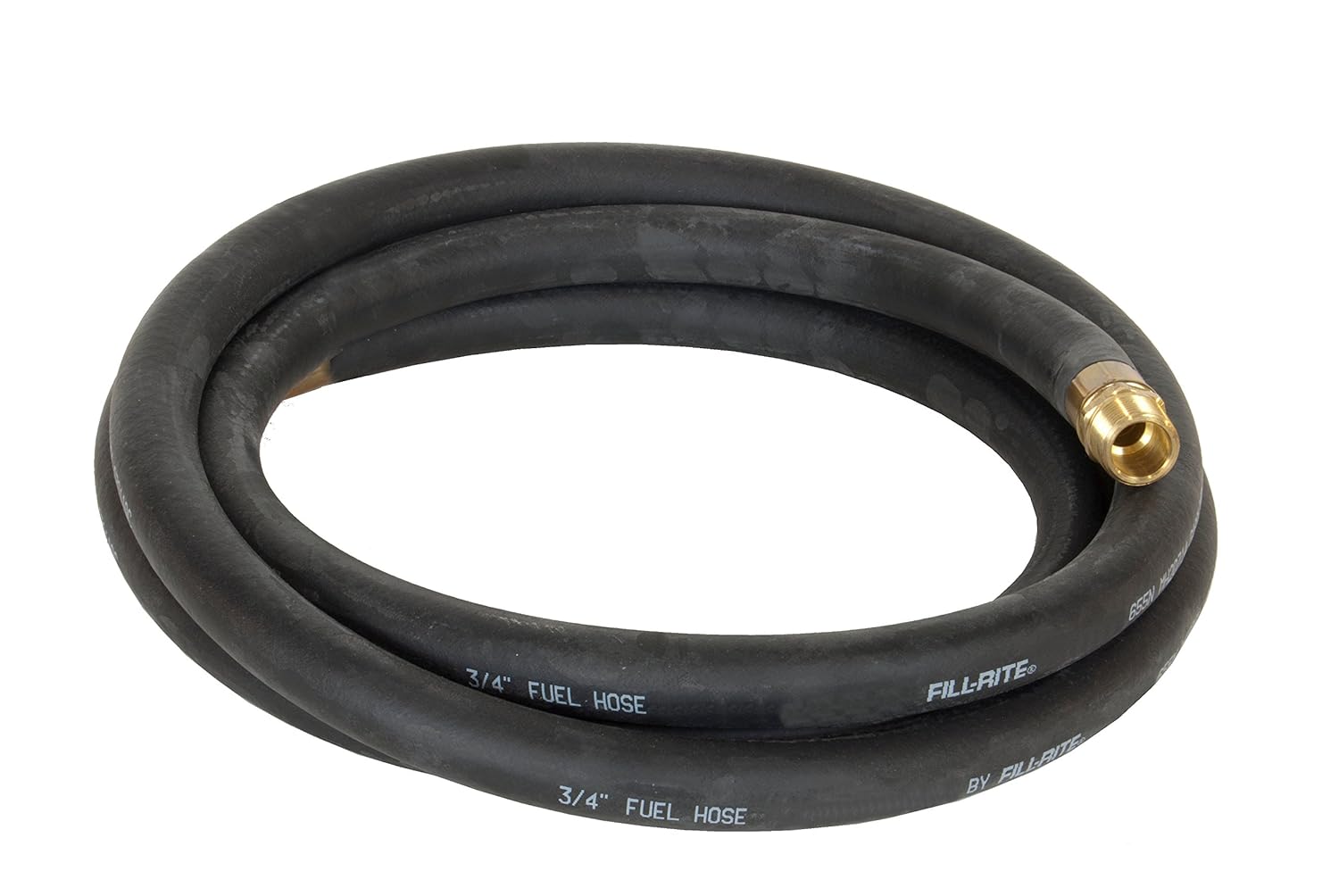
See more product details Rotary vane technology is a positive displacement (fixed volume) pump design that utilizes an offset rotor with sliding vanes that rotates on a motor shaft inside the pump. The vanes move outward against the pump cavity to form individual chambers (positive displacement). Fuel enters into the pump cavity through the inlet port on the rotor side where the vanes are fully extended. As the rotor turns, the vanes collapse inward creating the pressure that forces the fuel into the discharge port and through the hose. Advantages of rotary vane technology….. Increased suction lift No performance loss due to vane wear Self-priming ability Easy maintenance Consistent performance The maximum suction lift rating refers to the maximum vertical distance that a pump can lift fuel out of a tank. On rotary vane pumps, suction lift is created due to the offset of the rotor in the pump cavity, which increases the volume in the chamber between the vanes, thus lowering the pressure on the pump’s inlet. Atmospheric pressure, which is now greater than the inlet pressure in the pump, moves the fuel from the tank to the pump cavity (self-priming). Suction lift is determined by the pump specifications, the type of fuel, and the altitude of the location where the pump is installed. Higher altitudes reduce the suction lift of a pump due to the reduced atmospheric pressure. To achieve maximum suction lift, the inlet plumbing should be as straight as possible with no elbows or bends in the line. Accessories, such as filters, should not be installed on the inlet side of the pump. Valves should be set with minimum spring pressure and must contain a pressure relief valve. Discharge pressure refers to the systems pressure while dispensing. It effects flow-rate based on the pump’s design - the lower the discharge pressure, the higher the flow-rate. Variables that increase discharge pressure/decrease flow-rate: Adding accessories (filters, measuring devices, swivels, etc…) Changing accessories (increasing the length or decreasing diameter of hose) Dispensing fuel above the pump (the higher the discharge point is above the pump the lower flow-rate)p Pumping higher viscosity fluids (Fill-Rite pumps are designed to pump at a viscosity no greater than kerosene) To lower discharge pressure/increase flow-rate, remove or limit restrictions. Examples include, moving from a 10 micron filter to 30 micron filter, changing from a 800 series to a 900 series or TT10 series, limiting the use of elbows in system design, or increasing the diameter of your discharge hose/pipe. The FR1204H is a 12V 15 GPM fuel transfer pump that comes as a pump only model and comes with a 3/4" elbow, 5’ 12-gauge ground wire, and a 18’ 12 gauge 2-wire battery cable (3/4" outlet). It can be used to pump gasoline, diesel, kerosene, ethanol blends up to 15%, methanol blends up to 15%, and bio-diesel up to B20. The previous FR1204G model has been updated to the FR1204H model. With a removable junction box, the product is now easier to install. The performance specifications of the product did not change.
Product Overview
We Recommend