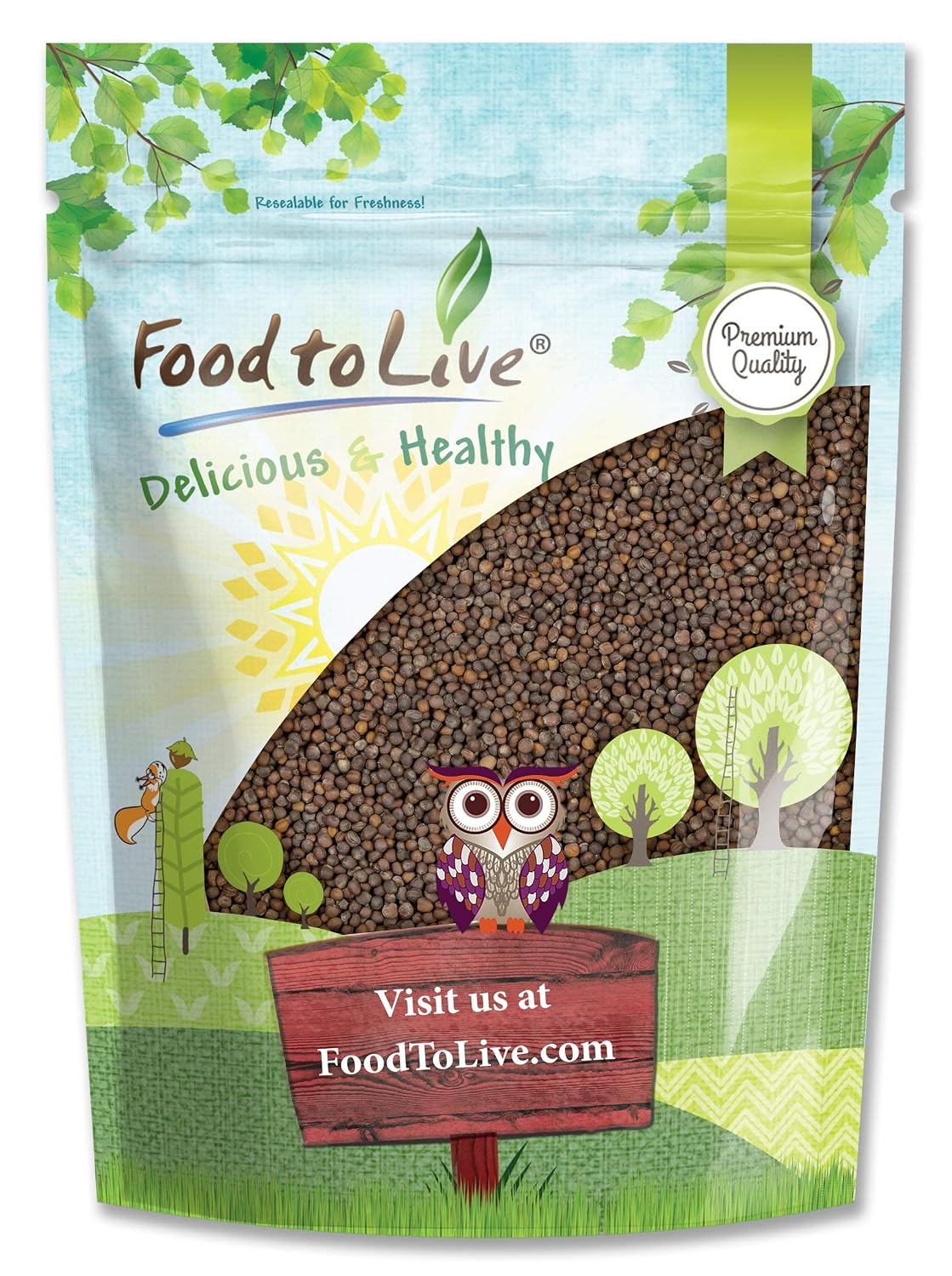
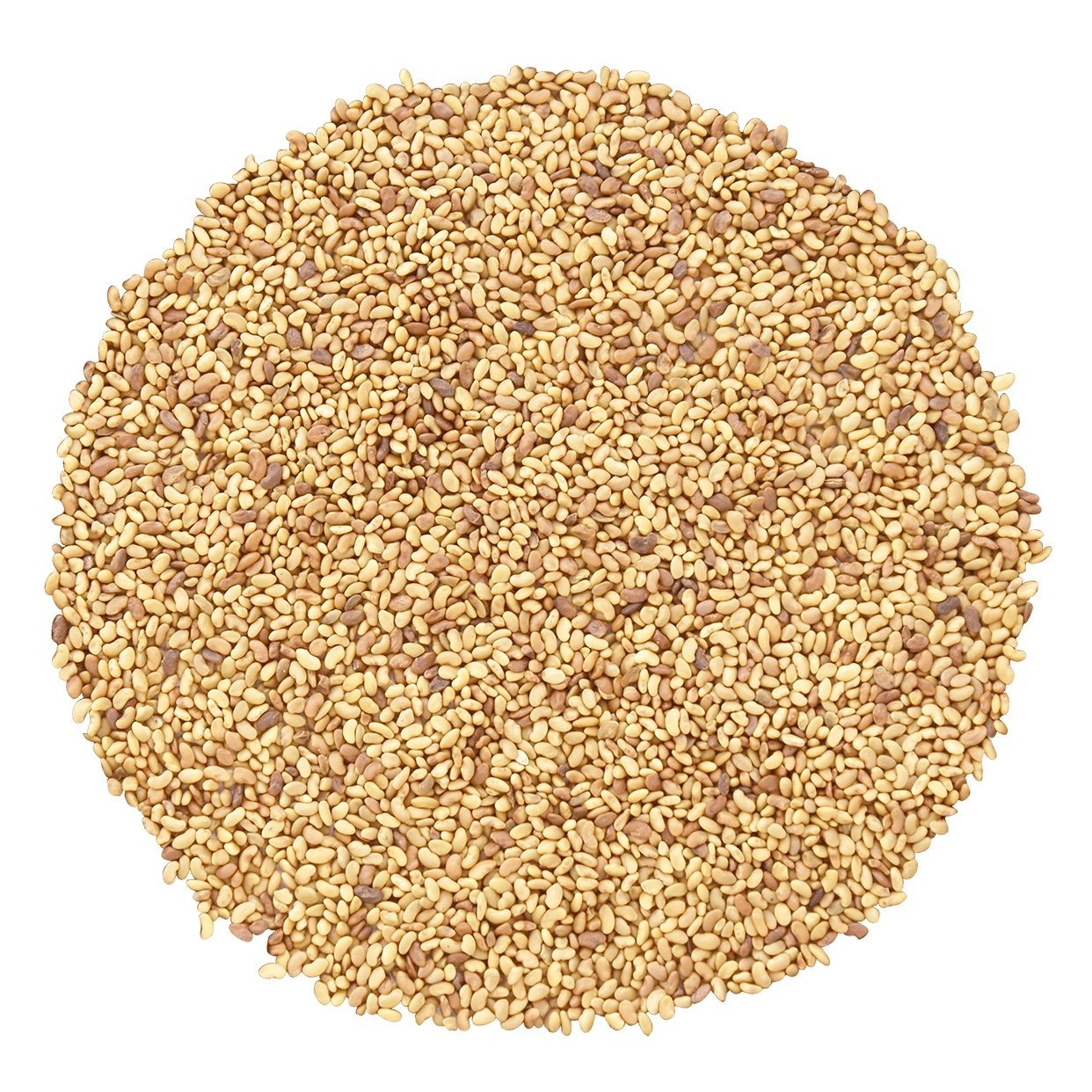
Organic Alfalfa Sprouting Seeds, 1 Pound - Non-GMO, Kosher, Raw, Vegan, Bulk: Grocery & Gourmet Food
- Category: Sprouts
- Store: Food to Live
Share on:
Description
Food to Live: Eat Well and Be Healthy Food to Live is a company committed to making people healthier by providing them with delicious, healthy food. We established this business with a purpose of making a change that would take our world one step closer to being a better place for us and our children. Food to Live delivers a variety of natural, organic and raw foods that can enable anyone to develop healthy eating habits. All our products can be included into a vegan diet. Food to Live: Grown by Nature for a Delicious Life! Prepare a tasty sandwich or a salad with raw sprouts; Fry alfalfa sprouts.Fried sprouts strongly remind cooked spinach; Prepare a special drink with alfalfa sprouts. Healthy Snacks for Everyone At Food to Live, we offer a wide range of products that aims to meet every person’s needs and tastes. Delicious & Nutritious Seeds, Legumes, and Spices Food to Live caters to everyone who wants to add healthy products to any of their meals. Superfoods for the Extra Healthy Boost More and more people in America discover the benefits of superfoods, which are both delicious and extremely good for you. CAUTION: Packaged in a facility that processes Tree Nuts and Wheat, but not on the same equipment.Organic Alfalfa SeedsEstablishment Use a soil test measure as a guide to check your pH and nutrient status several months before seeding. Apply lime and fertilizer as needed. Your pH levels should be 6.5-7.0. An ideal soil bed is moist, fertile and firm. Alfalfa prefers crumbly silt loam to sandy loam textures but alfalfa will grow well on most deep, well-drained soils with adequate internal and surface drainage. Alfalfa will die if the soil is saturated for an extended period. Plowing will result in a clean, firm seedbed, but you have to plant when the soil is not too dry or too wet. Plowing may bring rocks to the surface and the field would be more subject to soil erosion. Discing or harrowing requires less time than plowing/tilling, but may not rid the seedbed of weed seeds, diseased plant parts or herbicide residues. No-till seeding can be completed on a wider range of soil conditions and rocks are left below the surface and the field is far less susceptible to soil erosion. You also save time, fuel and power requirements Plant alfalfa 1/4"to 1/2" deep on medium to heavy textured soils and plant at least 1/2" on sandy soils either in the spring or late summer-early fall. Management For maximum yields, it is important to have 20-30 plants per square foot during the seedling year for protection against weed competition. Do not harvest alfalfa seeded in late summer until the following spring. Allow new seedlings to start to bloom before the first harvest. Cut alfalfa three-four times a year when stand is 25% flowered.Statements regarding dietary supplements have not been evaluated by the FDA and are not intended to diagnose, treat, cure, or prevent any disease or health condition.
Product Overview
We Recommend