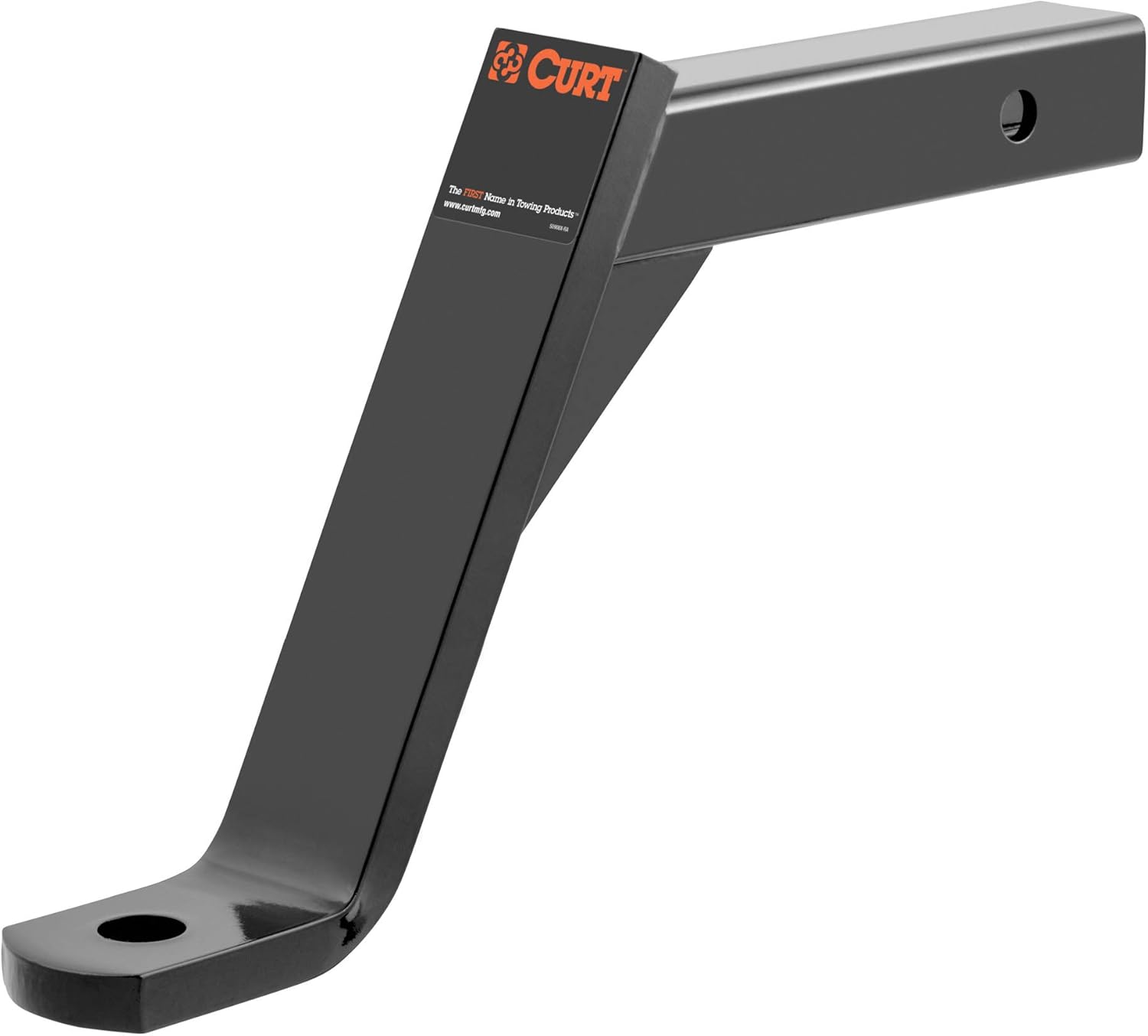



CURT 45014 Class 2 Trailer Hitch Ball Mount, Fits 1-1/4-Inch Receiver, 3,500 lbs, 3/4-Inch Hole, 5-Inch Rise: Automotive
- Category: Ball Mounts
- Store: CURT
Share on:
Description
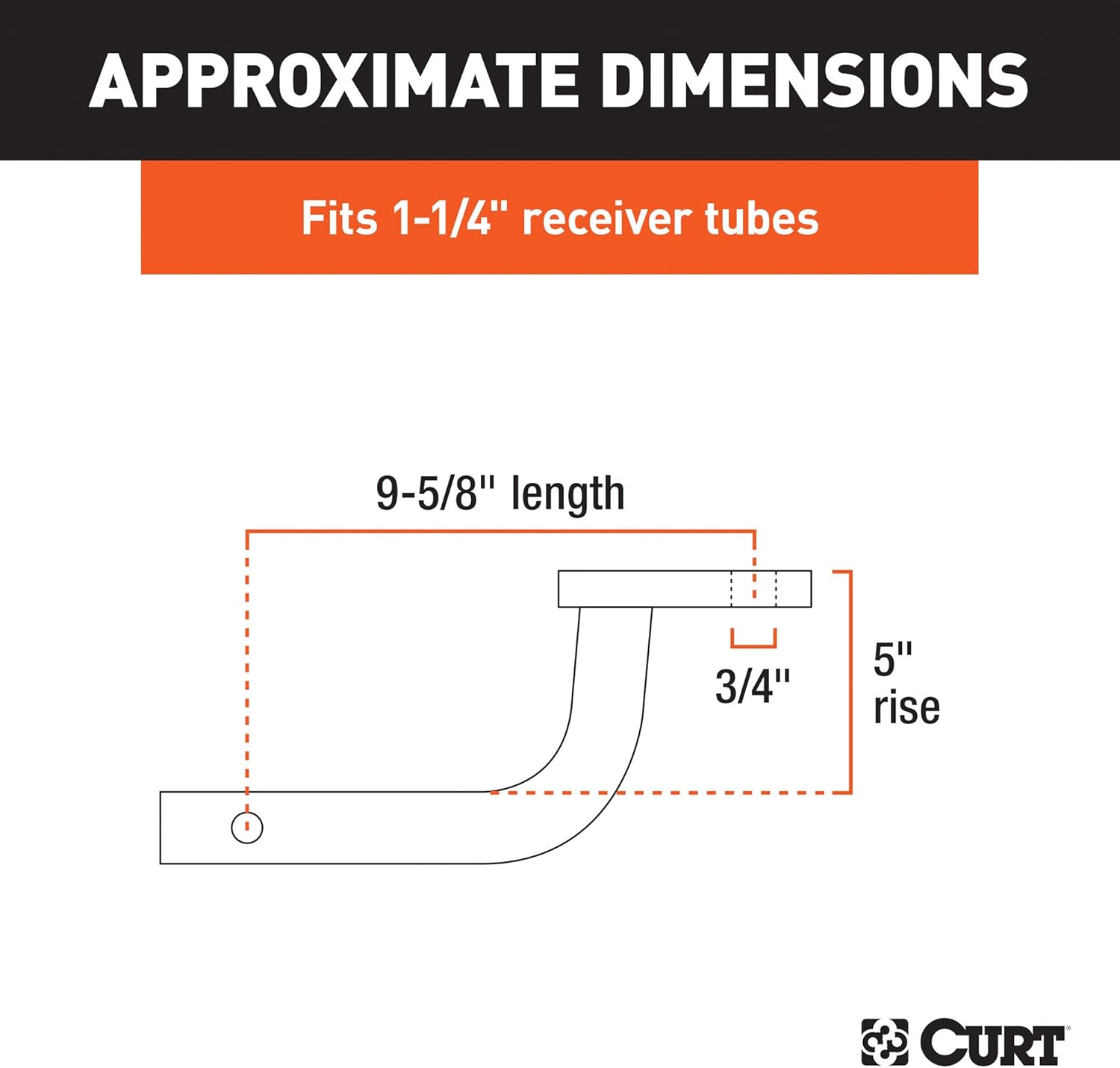
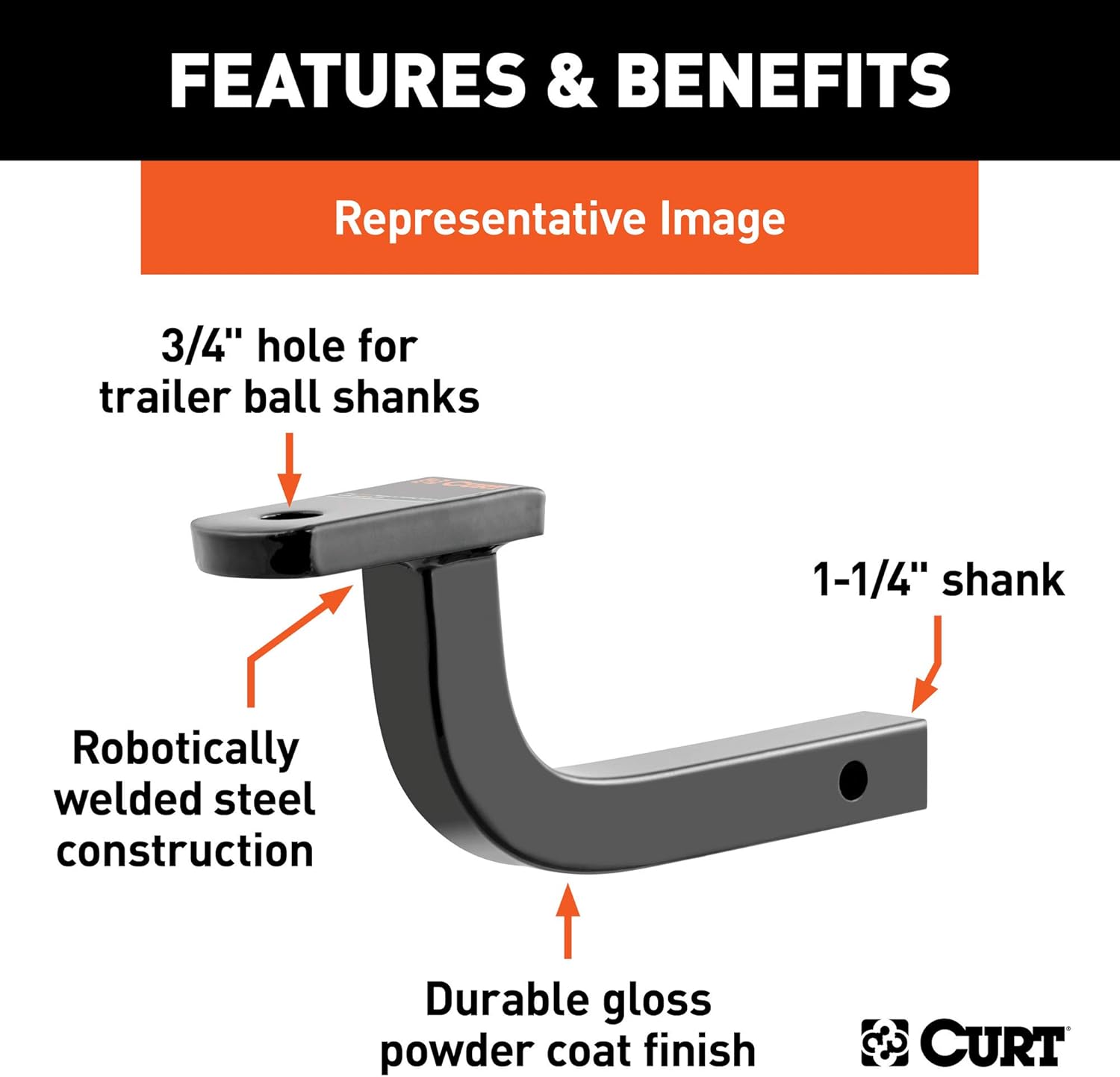
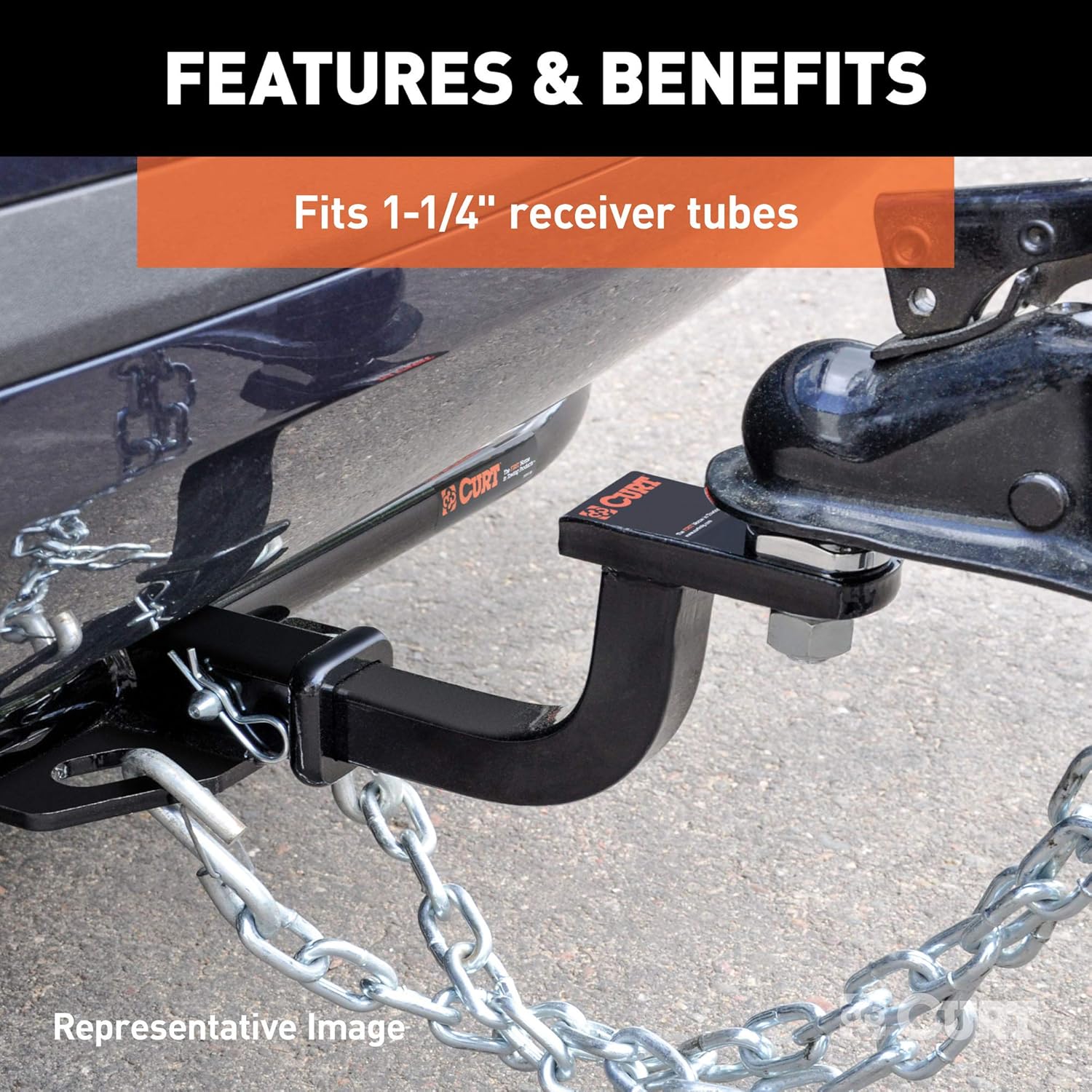
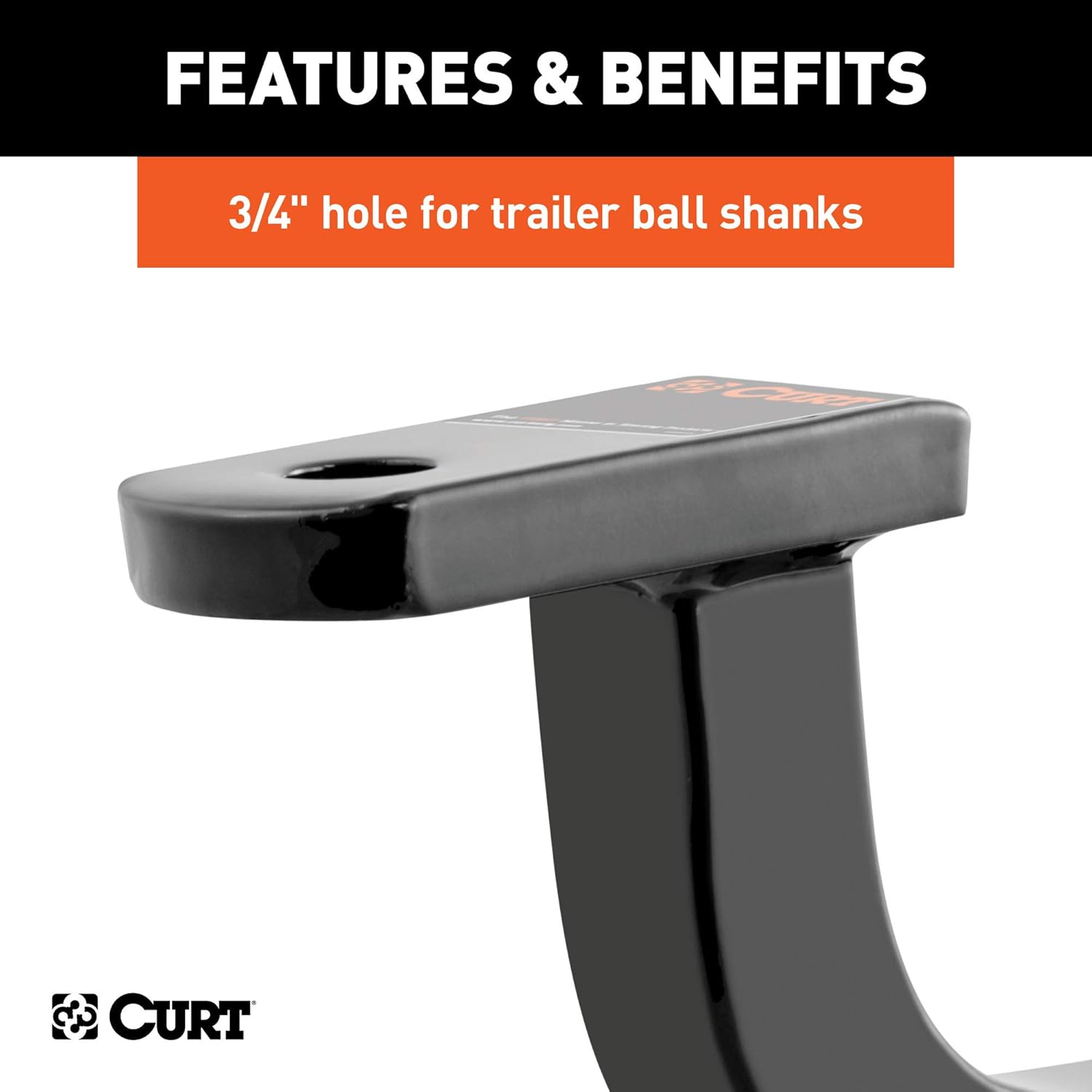
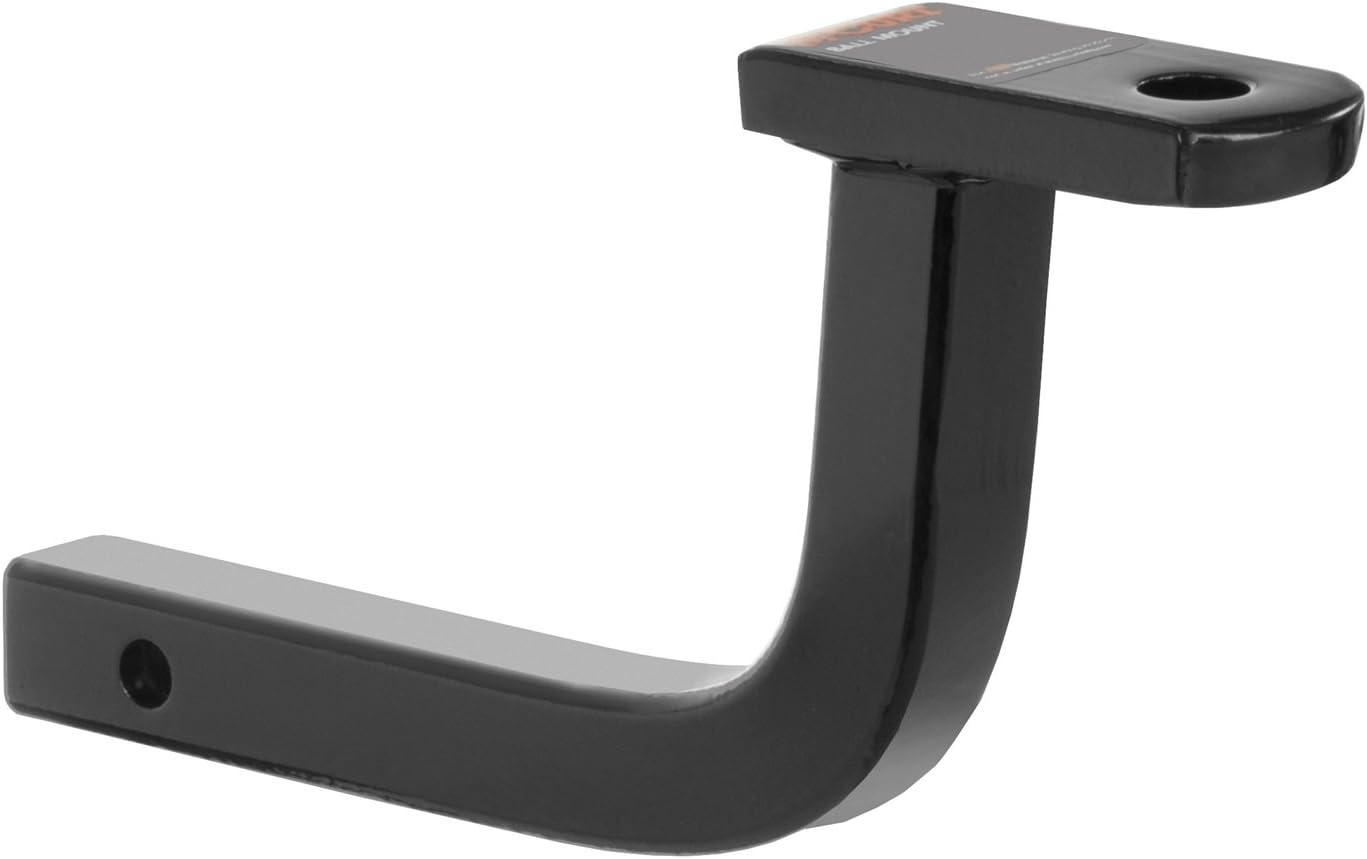
CURT class 2 ball mounts are designed to be fast, easy and reliable for your light-duty or standard-duty towing needs. We produce our class 2 ball mounts using state-of-the-art CNC machinery and robotic welding. This provides the accuracy and consistency in our ball mounts that we pride ourselves on and ensures that you receive the exact towing product you expect from an industry-leading manufacturer. Like our class 1 ball mounts, CURT class 2 ball mounts are all made with 1-1/4" x 1-1/4" shanks and have a 3/4" trailer ball hole. A CURT class 2 ball mount is an excellent choice for full-size sedans, minivans, crossover SUVs and other vehicles that commonly use a class 2 trailer hitch. They are ideal for towing small boat trailers and utility trailers, popup campers and some recreational vehicle trailers such as those used to haul dirt bikes, motorcycles and ATVs (NOTE: Never exceed the lowest weight capacity of any towing component; i.e. the vehicle, hitch, trailer, etc).This CURT class 2 ball mount has a gross trailer weight capacity of 3,500 lbs. and a tongue weight capacity of 350 lbs. It measures 9-5/8" long and has a rise of 5". To give our class 2 ball mounts the edge they need to go wherever the road takes you, we coat each one in a highly durable black powder coat that provides a long-lasting defense against rust, UV damage, scratching, scuffing and chipping. CURT offers custom trailer hitches, electrical products and a complete line of towing accessories to get you there with confidence and enjoy every mile of the journey. There are three main things to consider when selecting a trailer hitch ball mount: how much weight you are going to be towing, what size receiver tube your trailer hitch has and how much drop or rise your ball mount will need (below). First, be sure to select a ball mount with enough gross trailer weight capacity to fit your trailer. Trailer weight is one of the most important aspects of towing, and you should never exceed the weight capacity of any component of your vehicle, trailer or trailer hitch setup. Next, determine what size shank you will need. Receiver tubes come in a handful of standard sizes, including 1-1/4, 2, 2-1/2 and sometimes 3 inches, so finding a ball mount to match is relatively easy. After you know how much weight you will be towing and the size of your receiver tube, you will need to determine the drop or rise necessary for your trailer. Drop or rise is the amount of height difference between the trailer and your tow vehicle, whether that difference is positive (rise) or negative (drop). The diagram offers a quick explanation for how to determine your needed drop or rise. Take the distance from the ground to the top of the inside of your receiver tube opening (A), and subtract it from the distance from the ground to the bottom of the trailer coupler (B). B minus A equals C, the drop or rise.
Product Overview
We Recommend