






Life Extension Vitamins D and K with Sea-Iodine – Bone, Brain, Thyroid & Arterial Support – Non-GMO, Once Daily, Gluten-Free – 60 Capsules : Health & Household
- Category: Vitamin D
- Store: Life Extension
Share on:
Description
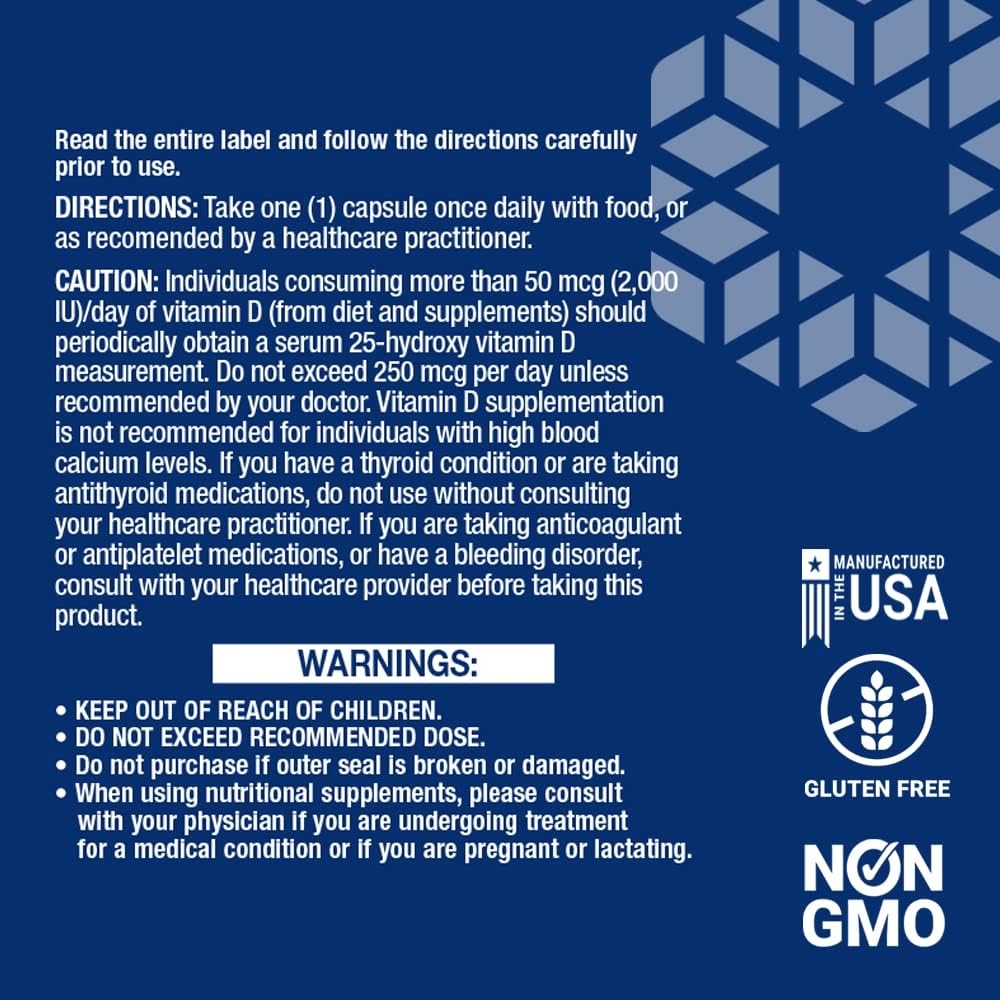
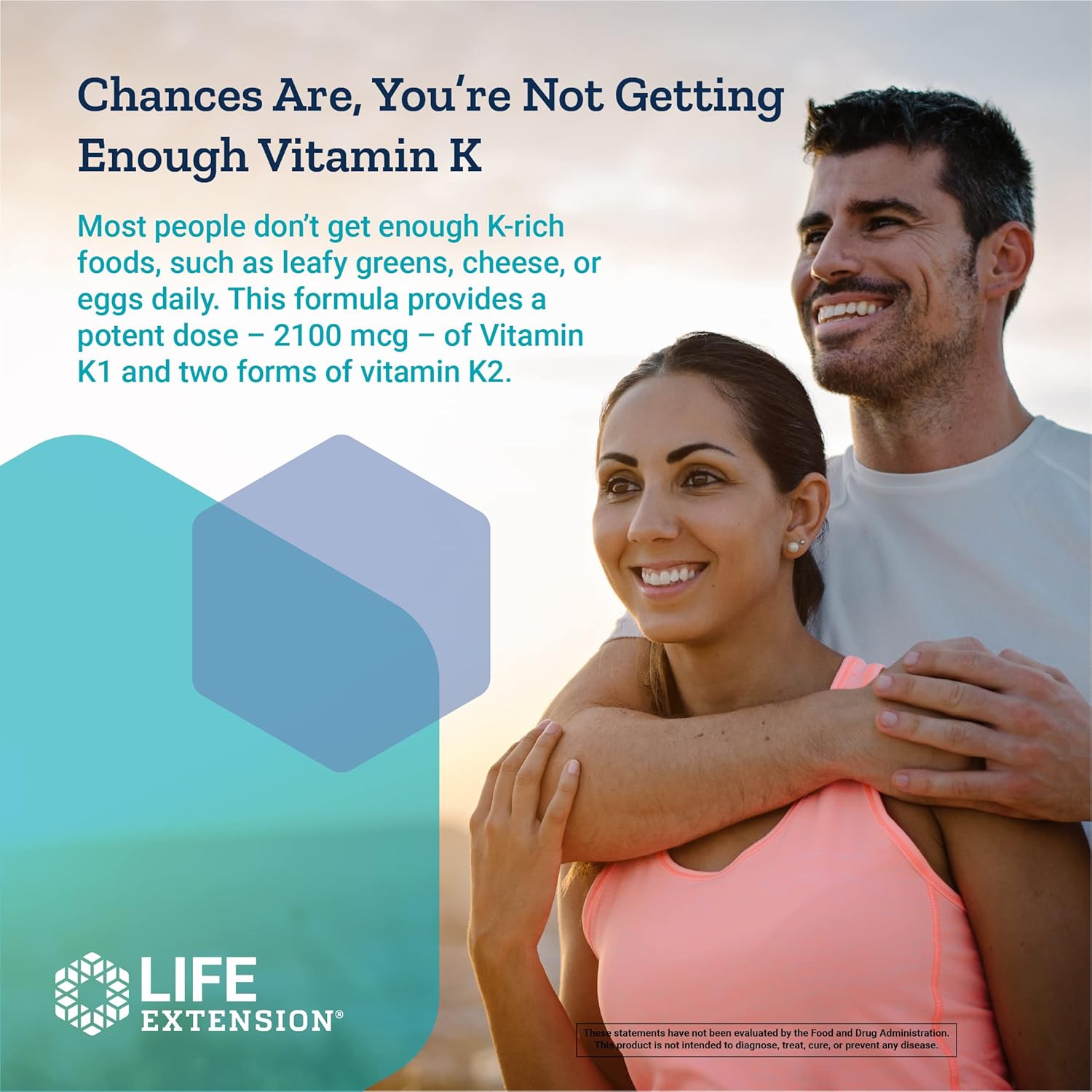
Your skin makes vitamin D from sunlight (and indoor tanning devices), but that’s not ideal. Vitamin D helps preserve youthful cognitive function, supports your bones and immune system and promotes endothelial function. Vitamin D can also help maintain blood pressure already in the normal range, which is good for your heart. Vitamin K helps maintain optimal calcium balance, which is good for your bones and arteries. But what does “calcium balance” mean? Basically, vitamin K helps inhibit calcification in the arteries and promotes calcium absorption into bones. By helping your body route calcium to where it should be, vitamin K promotes calcium balance. Iodine is essential—so much so that it has been added to table salt since the early 1920’s. But many people avoid salt. This means that many people unintentionally miss out on the benefits of iodine. That’s why we’ve included it in here. Iodine comes from seafood—in this case, it is derived from two distinct seaweed species. Vitamin D3 is known as the “sunshine” vitamin because your body produces it when exposed to sunlight. But because vitamin D is so important for your body, it’s best not to rely on sun exposure as your only source. Vitamin K comes from leafy greens, cheese and eggs—which many people avoid. The amount of vitamin K in these foods is also scant, especially in the case of vitamin K2. So in many cases, supplementing is more desirable. Your body needs iodine to produce thyroid hormones like triiodothyronine (T3) and thyroxine (T4). But because not everyone eats table salt or seafood (the prevalent food source of iodine), many people aren’t getting enough. We took three nutrients everyone needs, but that many of us don’t get enough of, and combined them into a single once-daily, non-GMO formula. An avalanche of favorable studies has resulted in record numbers of Americans supplementing with vitamin D. Since it is virtually impossible to obtain adequate vitamin D from food sources, supplementation with 5,000-8,000 IU daily is required by many aging individuals. Overlooked by almost everyone (except Life Extension members) is the critical importance of vitamin K. If one is concerned enough about their health to take higher dose vitamin D, it seems absurd to miss out on the benefits of vitamin K. For instance, vitamin D facilitates calcium absorption into the bloodstream and thus plays an important role in maintaining bone density. Less recognized is the need for vitamin K to transport calcium from the bloodstream into the bone. Vitamin K is also required by calcium-regulating proteins in the arteries. Together these two vitamins help maintain youthful calcium skeletal distribution while promoting vascular health. Individuals consuming more than 2,000 IU/day of vitamin D (from diet and supplements) should periodically obtain a serum 25-hydroxy vitamin D measurement. Do not exceed 10,000 IU per day unless recommended by your doctor. Vitamin D supplementation is not recommended for individuals with high blood calcium levels. If you have a thyroid condition or are taking antithyroid medications, do not use without consulting your healthcare practitioner. If you are taking anticoagulant or antiplatelet medications, or have a bleeding disorder, consult with your healthcare provider before taking this product. This product is labelled to United States standards and may differ from similar products sold elsewhere in its ingredients, labeling and allergen warningsVitamin D3 (as cholecalciferol) 5000IU, Vitamin K activity from: 2100 mcg, Vitamin K1 (as phytonadione) 1000mcg, Vitamin K2 (as menaquinone-4) 1000mcgTake one (1) capsule once daily with food, or as recomended by a healthcare practitioner.Statements regarding dietary supplements have not been evaluated by the FDA and are not intended to diagnose, treat, cure, or prevent any disease or health condition.
Product Overview
We Recommend


![Superior Source Vitamin D3 [1000] IU Sublingual Tablets - Vitamin D Supplement Quick Dissolve Melts - 100 Count, White ('076635908509): Health & Personal Care](https://images-na.ssl-images-amazon.com/images/I/61k9%2BsfJIbL._AC_SL1200_.jpg)